Students Travels
Travel has always been one of the most powerful teachers. For students, it becomes even more transformative. Students’ travels aren’t just about boarding a plane or crossing a border. It’s about growth, perspective, and opportunity.
Whether you’re studying locally and dreaming of exploring another country during holidays, or you’re preparing to study abroad, this guide will walk you through everything you need to know about student travel, from budgeting and visa processes to safety and smart planning.
Let’s explore what makes student travel not just possible, but powerful.
What Are Students’ Travels?
students travel refers to travel experiences specifically designed for students, whether for:
- Study abroad programs
- Exchange programs
- Internships
- Academic conferences
- Volunteer opportunities
- Holiday exploration
- Cultural immersion trips
Unlike regular tourism, students’ travels combine education, exposure, and affordability.
Students typically face:
- Limited budgets
- Visa restrictions
- Academic schedules
- Limited travel experience
But with the right planning, these challenges become stepping stones.
Why Students’ Travel Matters More Than You Think
Traveling as a student offers advantages you may never get again later in life.
1. Personal Growth
You develop independence, adaptability, and confidence.
2. Academic Enrichment
Studying abroad exposes you to different teaching styles and research opportunities.
3. Career Opportunities
Global exposure improves your CV and employability.
4. Cultural Awareness
Understanding different cultures shapes your worldview.
According to research published by the Open Doors Report on International Educational Exchange, students who study abroad often show improved academic performance and higher graduation rates.
That’s not just travel. That’s transformation.
Students’ Travels: Planning the Perfect Student Trip
Planning is the backbone of successful student travel.
Here’s how to do it smartly.
1. Define Your Purpose
Ask yourself:
- Is this trip academic?
- Is it internship-based?
- Is it tourism during school break?
- Is it a long-term study abroad move?
Purpose determines everything — budget, visa type, duration, and destination.
2. Choose the Right Destination
When selecting a destination for students’ travels, consider:
- Cost of living
- Visa requirements
- Language
- Safety
- Academic quality
Popular student-friendly destinations include:
- Canada
- Germany
- United Kingdom
- Australia
- United States
- Malaysia
Each offers unique advantages in affordability and educational quality.
Affordable Student Travel: How to Travel on a Student Budget
Budget is usually the biggest concern.
Here’s how to make Students travels affordable:
✈️ Save on Flights
- Book 2–3 months early.
- Travel midweek.
- Use student discount platforms.
- Compare prices across booking sites.
🏠 Save on Accommodation
- Student hostels
- Shared apartments
- University dormitories
- Homestays
🍽️ Save on Food
- Cook your own meals.
- Avoid tourist-heavy restaurants.
- Use student discount cards.
Cost Comparison Table for Popular Student Destinations
| Country | Avg Monthly Living Cost | Visa Ease | Tuition Range | Part-Time Work Allowed |
|---|---|---|---|---|
| Canada | $800–$1,200 | Moderate | $15k–$25k | Yes (20 hrs/week) |
| Germany | $700–$1,000 | Easy | Low/Free | Yes |
| UK | $1,000–$1,500 | Moderate | $15k–$30k | Yes |
| Malaysia | $400–$700 | Easy | $5k–$10k | Limited |
| Australia | $1,200–$1,800 | Moderate | $20k–$35k | Yes |
This table shows why Germany and Malaysia are increasingly popular for students’ travels.
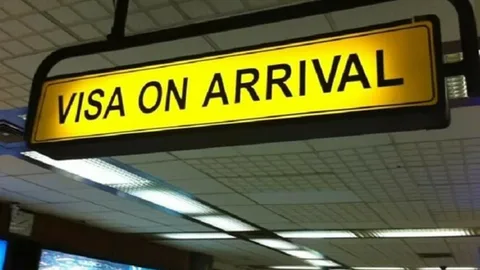
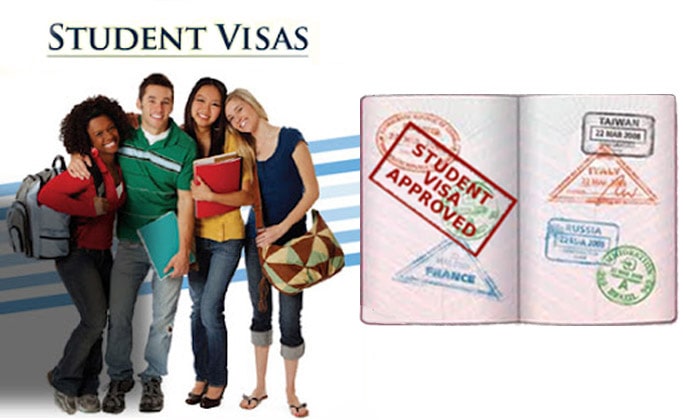
Student Visas and Students Travels
Visa approval is often the most stressful part.
Key Requirements:
- Admission letter
- Proof of funds
- Passport
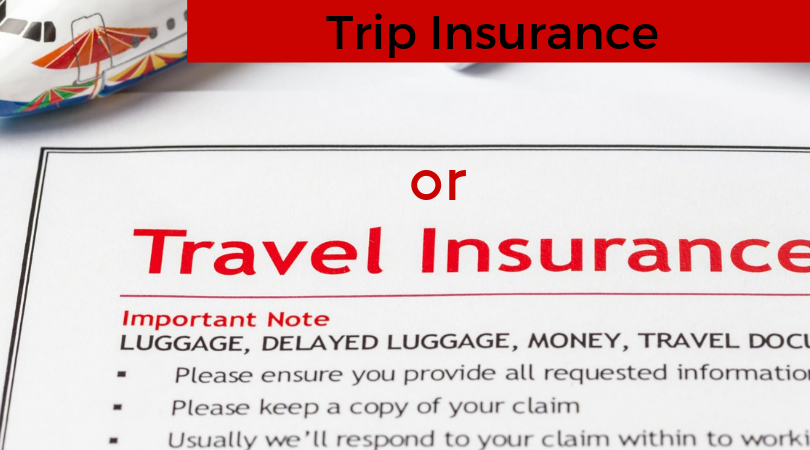
- Health insurance
- Academic documents
For accurate visa guidelines, the official student visa information page provides step-by-step clarity for students applying to the U.S.
Always apply early — at least 2–3 months before departure.
Students’ Travels and Scholarships
Funding changes everything.
Types of scholarships:
- Merit-based
- Need-based
- Government-sponsored
- University-specific
- Private organization grants
Some countries, like Germany, offer tuition-free education at public universities. Others provide partial funding options.
Tips to increase scholarship chances:
- Maintain strong grades
- Write compelling personal statements
- Apply early
- Secure strong recommendation letters
Students’ Travel Safety Tips
Safety must never be ignored.
Before You Travel:
- Research your destination.
- Register with your embassy.
- Get health insurance.
During Travel:
- Keep copies of important documents.
- Avoid risky areas at night.
- Stay connected with family.
Emergency Planning:
- Know local emergency numbers.
- Keep emergency funds.
Travel smart, not scared.
Digital Tools That Make Students’ Travels Easier
Technology has made student travel simpler.
Helpful tools:
- Currency converter apps
- Google Maps offline
- Language translation apps
- Budget tracking apps
- Cloud document storage
These tools reduce stress significantly.
Students’ Travels and Career Advantage
Employers love global exposure.
Travel develops:
- Communication skills
- Cultural intelligence
- Problem-solving ability
- Adaptability
In interviews, your travel experiences become powerful stories of leadership and resilience.
That’s a long-term investment.
Common Mistakes in Students Travels
Avoid these costly errors:
- Applying late for a visa
- Ignoring insurance
- Overpacking
- Underestimating living costs
- Not understanding local laws
- Depending fully on part-time work
Planning prevents panic.
Students’ Travels: Study Abroad vs Short-Term Travel
Let’s compare.
| Feature | Study Abroad | Short-Term Travel |
|---|---|---|
| Duration | 6 months – 4 years | 1 week – 3 months |
| Purpose | Academic | Exploration |
| Cost | Higher | Lower |
| Visa Type | Student visa | Tourist visa |
| Impact | Long-term career boost | Cultural exposure |
Both are valuable — but your goals determine the right choice.
Mental Preparation for Students Travels
Travel isn’t just physical, it’s emotional.
You may experience:
- Culture shock
- Homesickness
- Language barriers
- Academic pressure
But you’ll also experience:
- Growth
- Confidence
- New friendships
- Self-discovery
Every discomfort shapes maturity.
How to Build a Strong Student’s Travel Plan
Follow this checklist:
6 Months Before:
- Choose destination
- Apply for admission
- Research scholarships
4 Months Before:
- Apply for a visa
- Book accommodation
2 Months Before:
- Book flight
- Get travel insurance
1 Month Before:
- Prepare documents
- Inform the bank
- Pack smart
Preparation is peace of mind.
Future of Students Travels
Student travel is evolving.
Trends include:
- Digital nomad study programs
- Hybrid online + abroad learning
- More flexible visas
- Increased scholarship competition
- Budget-friendly European education
The world is becoming more connected, and students are leading that movement.
Final Thoughts on Students’ Travels
students’ travels are more than movement across borders. It is a movement toward growth.
When a student travels, they don’t just see the world; they understand it. They don’t just learn from books; they learn from life.
Yes, there are costs. Yes, there are risks. But the rewards are deeper than money.
Travel as a student is not a luxury. It is an investment in your future self.
If you’re thinking about taking that step, plan wisely, research deeply, and move confidently.
Your passport may open doors, but your preparation determines how far you go.