In an increasingly connected world, one needs travel safety tips before traveling, crossing borders has never been more accessible—or more complex. While international travel safety tips are bouncing back stronger than ever in 2025, the rules surrounding visa applications, entry requirements, and documentation continue to evolve; all these are here travel safety tips.
Whether you’re traveling for leisure, study, work, or as a digital nomad, understanding visa requirements is crucial to avoiding costly delays, rejections, or even deportation. This guide unpacks everything travel safety tips you need to know about visa types, how to apply, and country-specific policies for major destinations around the world.
What Is a Travel Visa?
A travel visa is an official document or digital authorization that permits you to enter, stay, or leave a foreign country for a specific purpose and duration, as long as you follow safety tips. It’s typically stamped or attached to your passport and is issued by the destination country’s consulate or immigration authority.
Different Types of Travel Visas
Tourist Visa
For short-term visits such as vacations or family visits. Usually valid from 30 days to 6 months.
Business Visa
Allows professionals to attend meetings, conferences, or explore business opportunities, but not take up paid employment.
Student Visa
Issued to international students enrolled in an academic program. Often tied to proof of admission and financial means.
Work Visa
Grants permission to work in a foreign country, usually tied to a job offer or sponsorship.
Transit Visa
For travelers passing through a country en route to a third destination. Usually valid for a few hours or days.
Digital Nomad Visa
A growing category in 2025, allowing remote workers to legally live and work abroad for extended periods.
Visa-Free vs Visa-on-Arrival vs eVisa vs Traditional Visa
Visa-Free Travel
Some countries allow certain nationalities to enter without a visa for a specified period. For example, EU citizens can travel freely within the Schengen Area.
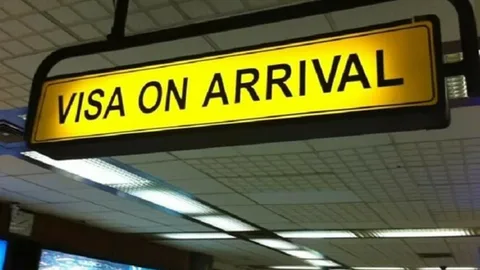
Visa-on-Arrival (VoA)
Travelers receive a visa upon arrival at the destination airport or border. Usually requires pre-approval or documentation.
eVisa
An online application system used by countries like India, Turkey, Kenya, and Australia. You apply and receive an electronic visa before departure.
Traditional Visa (Sticker Visa)
Requires visiting an embassy or consulate in person, submitting documents, and possibly attending an interview.
General Visa Requirements in 2025
Although requirements vary by destination, most visa applications ask for:
- Valid passport (with 6 months validity)
- Recent passport-sized photos
- Proof of accommodation
- Return or onward ticket
- Travel itinerary
- Travel insurance (mandatory in many countries)
- Proof of financial means
- Visa application form
- Visa fee payment
Some visas also require:
- Invitation letter (for business or family visits)
- Proof of enrollment (for student visas)
- Employment contract (for work visas)
Popular Destinations and Their Visa Policies
United States (USA)
- Most visitors need a B1/B2 visa (business or tourist).
- Citizens of Visa Waiver Program (VWP) countries can enter for 90 days with an approved ESTA.
- Students must apply for F-1 or M-1 visas.
United Kingdom (UK)
- Most nationalities require a Standard Visitor Visa for tourism.
- Students must apply for a Student Visa with proof of sponsorship.
- ETA (Electronic Travel Authorization) will be introduced in 2025.
Schengen Area (Europe)
- Schengen Visa allows travel across 27 European countries.
- Valid for up to 90 days within 180 days.
- Requires travel insurance with at least €30,000 medical coverage.
Canada
- eTA required for visa-exempt countries.
- Temporary Resident Visa (TRV) for others.
- Student and work visas require approval from designated institutions or employers.
Australia
- eVisitor or ETA for short-term travel.
- Student and Skilled Migration visas require health and character checks.
United Arab Emirates (UAE)
- Many nationalities are eligible for a visa-on-arrival.
- Long-term tourist visas are available for digital nomads and remote workers.
Japan
- Visa-free for many Western countries.
- The eVisa was introduced for more nationalities.
- Proof of itinerary and financial means is often required.
How to Apply for a Visa in 2025
- Determine Your Visa Type based on your travel purpose.
- Visit the Official Embassy Website of your destination country.
- Complete the Application Form online or offline.
- Gather Required Documents, including photos, proof of funds, and itinerary.
- Pay the Visa Fee (non-refundable).
- Schedule a Visa Interview if required.
- Submit Biometrics (fingerprints, digital photo).
- Wait for Processing (ranges from 3 days to 8 weeks).
- Receive Your Visa and check all details before traveling.
Common Mistakes to Avoid
- Submitting incomplete forms
- Ignoring photo specifications
- Not double-checking passport validity
- Providing false information
- Booking flights before visa approval (unless required)
Tips to Improve Visa Approval Chances
- Be honest and consistent across all documents
- Show strong ties to your home country (employment, family, assets)
- Avoid overstaying previous visas
- Demonstrate adequate financial capacity
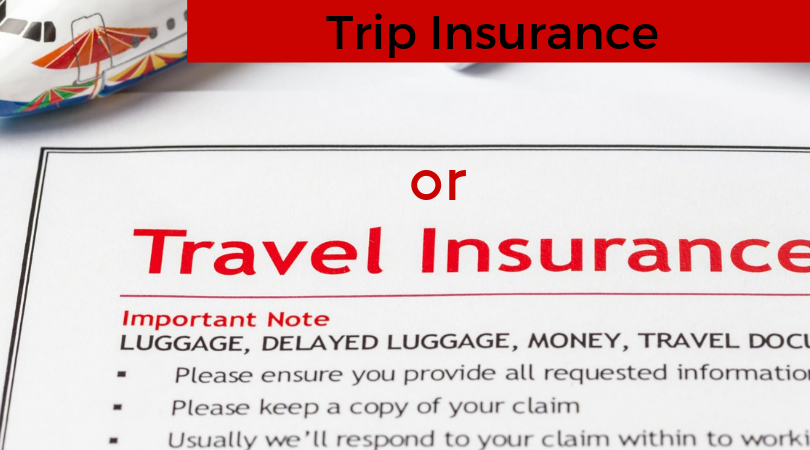
Do You Need Travel Insurance for a Visa?
In 2025, many countries require proof of travel insurance as part of your visa application. This applies especially to:
- Schengen Area
- UAE
- Turkey
- Thailand
- Russia
- Argentina
You can compare plans at platforms like:
Make sure your plan includes:
- Emergency medical coverage
- Repatriation
- Trip cancellation and interruption
Conclusion: Be Prepared, Travel Smart
Visa rules may seem complicated, but with the right preparation, you can navigate them with ease. Always consult official government websites for the most accurate and updated information. A well-prepared traveler is not only more likely to get their visa approved—but also to enjoy a smoother, stress-free trip.
Related content: “Easiest Travel Visas to Get in 2025 for Nigerians”
FAQs
1. What is the easiest visa to get in 2025?
Visa-on-arrival or eVisas from countries like Turkey, Georgia, and Sri Lanka are among the easiest.
2. Can I travel without a visa?
Yes, if your destination offers visa-free access to your nationality. Always check before booking.
3. How long does it take to get a visa?
Processing times vary widely—from 3 days for an eVisa to 60+ days for some student or work visas.
4. Is travel insurance mandatory for all visas?
Not always, but it is increasingly required for Schengen, UAE, and certain eVisas.
5. What if my visa application is denied?
You may reapply after addressing the reason for denial, or appeal the decision in some cases.