Table of Contents
- Travel Tips for Planning a Trip That Feels Easy, Not Exhausting
- Travel Tips for Choosing the Right Destination
- Travel Tips for Documents, Visas, and Entry Rules
- Travel Tips for Packing Without Overpacking
- Travel Tips for Health, Safety, and Peace of Mind
- Travel Tips for Saving Money Without Ruining the Trip
- Travel Tips for Airports, Flights, and Layovers
- Travel Tips for Enjoying the Trip Once You Arrive
- Travel Tips for Coming Home Better Than You Left
Smart travel planning, Travel is one of those rare things that can change your mood, your memory bank, and sometimes even your perspective on life. But the best trips usually do not happen by accident. They happen because someone slowed down, checked the details, packed with intention, and planned for the kind of surprises that travel always seems to bring.
That is why strong travel tips matter. Good travel advice does not make a trip rigid or boring. It makes the experience lighter. It gives you room to enjoy the airport without panic, the destination without confusion, and the journey without that heavy feeling of “I forgot something important.”
Before booking anything, it helps to start with official guidance on travel advisories and travel health notices. Those two pages are simple but powerful starting points because they help you see the real picture before you commit to a ticket. (Travel.state.gov)
Tips for smart Travel Planning a Trip That Feels Easy, Not Exhausting
The easiest trip to enjoy is usually the one planned with a calm head. Smart travel planning is not about overthinking every detail. It is about asking the right questions early enough to avoid stress later.
Here is a simple way to think about it:
- What kind of trip do I actually want?
- Do I want rest, adventure, food, culture, shopping, or all of the above?
- Am I traveling alone, with family, with friends, or for work?
- How much movement can I realistically handle each day?
- What is the one thing that would ruin the trip if I ignored it?
With Smart travel planning, Travel becomes easier when the trip matches your energy level. A rushed itinerary can turn a beautiful city into a checklist. A balanced itinerary gives you time to breathe, wander, and actually remember where you were.
A good planning habit is to build the trip in layers:
- First layer: destination and dates
- Second layer: documents and entry rules
- Third layer: transport and accommodation
- Fourth layer: money, health, and safety
- Fifth layer: what you will do each day
That order matters because travel Smart planning is not only about where you want to go. It is also about whether you can go smoothly and comfortably. The U.S. State Department’s international travel guidance encourages travelers to review destination advice, entry requirements, local laws, and embassy tips before departure, which is exactly the kind of habit that prevents last-minute problems. (Travel.state.gov)
Travel Tips for Choosing the Right Destination
A lot of travel disappointment starts with choosing the wrong destination for the wrong reason. A place can look perfect online and still be a bad fit for your budget, season, or energy.
When choosing a destination, think beyond the photos. Think about:
- Weather during your travel dates
- Safety and local travel conditions
- Visa rules and passport requirements
- Cost of food, transport, and lodging
- Ease of getting around once you arrive
- Whether the destination fits your pace
Some places are great for slow travel. While others are better for short breaks. And Some are ideal for solo travelers because they are easy to navigate. Others are best enjoyed with a group because transport and Smart travel planning are more demanding.
A practical travel tip is to compare destinations in three categories:
| Travel Factor | Easier Option | Why It Helps |
|---|---|---|
| Weather | Mild season | More comfortable sightseeing |
| Transport | Good public transit | Less stress and lower cost |
| Entry rules | Simple visa process | Faster planning and fewer delays |
| Safety | Clear official guidance | Better peace of mind |
| Budget | Affordable daily costs | Less financial pressure |
This is where travel stops being a fantasy and starts becoming a smart decision. When a destination fits your real life, the trip feels better from the beginning.
Travel Tips for Documents, Visas, and Entry Rules
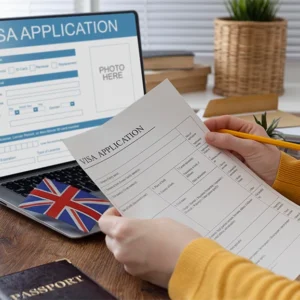
This is the part many travelers ignore until it becomes urgent. Documents are not exciting, but they are the backbone of every international trip.
Before you book or pay in full, check:
- Passport expiration date
- Visa rules for your destination
- Transit visa rules if you are connecting through another country
- Return ticket requirements
- Proof of funds requirements
- Vaccination or health document rules
A very common mistake is assuming a passport is “still valid enough.” In reality, many countries require more than just a valid passport. The State Department advises travelers to check passport expiration early, noting that some countries, especially in Europe, require a passport to be valid for at least six more months after travel dates. (Travel.state.gov)
Another smart travel tip is to keep both digital and paper copies of important documents:
- Passport photo page
- Visa pages
- Flight itinerary
- Hotel confirmations
- Travel insurance policy
- Emergency contact details
Store the copies in two different places. If one bag goes missing, you still have access to the essentials.
You should also read destination rules carefully instead of relying on social media summaries. Entry requirements can change, and the official guidance may mention details like passport validity, blank pages, proof of onward travel, or local currency rules. The State Department travel pages are useful because they collect those practical details in one place, which makes trip preparation less guesswork and more structure. (Travel.state.gov)
Travel Tips for Passport Validity and Backup Copies
A simple habit can save a trip:
- Check your passport as soon as you start planning
- Renew it early if the expiry date is close
- Keep backup copies in your email and cloud storage
- Share emergency document access with someone you trust
This sounds basic, but basic is often what saves the day.
Travel Tips for Packing Without Overpacking
Packing is one of the easiest places to make travel harder than it needs to be. Most people pack either too much or too little. The sweet spot is packing for convenience, not anxiety.
Start with the trip length, then build around it:
- How many outfits do you actually need?
- Will you have laundry access?
- Is the weather predictable?
- Are you attending events that require different clothing?
- Will you be moving between cities often?
A useful rule is to pack outfits, not random clothes. Every item should match something else in your bag. That keeps the luggage lighter and the choices simpler.
Here is a comparison that helps many travelers decide:
| Packing Choice | Best For | Main Advantage | Main Trade-Off |
|---|---|---|---|
| Carry-on only | Short trips, light travelers | Faster airport flow, less baggage risk | Limited space |
| Checked bag | Longer trips, bulkier items | More room for clothing and extras | Possible delays or loss |
| Travel backpack | Flexible movement | Easy to carry around | Can get heavy fast |
| Small suitcase | Business or city travel | Neat, organized packing | Less mobility on rough surfaces |
If you are flying, remember that the TSA allows a quart-sized bag of liquids, aerosols, gels, creams, and pastes in carry-on luggage, with containers limited to 3.4 ounces (100 ml) each. That is the kind of detail that saves you from repacking at the security line. (tsa.gov)
A strong packing list usually includes:
- Passport and ID
- Phone charger and power bank
- Basic medication
- One change of clothes in carry-on
- Toiletries in travel sizes
- Comfortable shoes
- Small first-aid items
- Reusable water bottle where allowed
- Copies of documents
Try not to pack for every possible fear. Pack for the trip you are actually taking.
Travel Tips for Health, Safety, and Peace of Mind
Travel feels better when your body and mind are not fighting the journey. Health planning is one of the most overlooked parts of travel, yet it is often the most important.
Before a trip, think about:
- Needed vaccinations
- Prescription medication
- Motion sickness or allergy medicine
- Travel insurance
- Destination-specific health risks
- Food and water safety
- Mosquito protection where relevant
The CDC’s Travelers’ Health pages are useful because they explain travel health notices for outbreaks, special events, and natural disasters, along with advice on how travelers can reduce risk. That makes them an important stop before international travel, especially when conditions can change quickly. (CDC)
A smart traveler also keeps a small health kit. It does not need to be dramatic. Just practical:
- Pain relief medicine
- Plasters or bandages
- Hand sanitizer
- Any personal prescriptions
- Oral rehydration sachets
- Insect repellent if needed
If you are traveling to a place with local health concerns, do not guess. Check official travel health guidance before you leave. The CDC destination pages also remind travelers to stay aware of current health issues and preventive steps, which is especially useful when you are going somewhere unfamiliar. (CDC)
Travel Tips for Staying Safe Abroad
Safety is not about fear. It is about awareness.
A few habits go a long way:
- Share your itinerary with someone you trust
- Avoid flashing valuables
- Use registered transport where possible
- Know the local emergency number
- Keep some cash separately from your wallet
- Be careful with late-night movement in unfamiliar areas
Also, trust the official guidance more than the crowd. Smart travel planning advisories exist for a reason. They are not there to scare you; they are there to help you make better decisions. (Travel.state.gov)
Travel Tips for Saving Money Without Ruining the Trip
A good trip does not have to be expensive. In fact, some of the most memorable trips feel rich because they are well-balanced, not because they cost the most.
Money-saving travel tips include:
- Book early when possible
- Compare fares across dates
- Travel in shoulder season
- Stay slightly outside the most expensive area
- Eat some meals like a local
- Use public transport when practical
- Set a daily spending limit
The key is not to cut so much that the trip feels miserable. Cheap is not always smart. Value is smarter.
Here are a few ways to keep costs under control without draining the joy out of the journey:
- Choose one or two major paid experiences
- Balance them with free activities
- Walk more when the area is safe and walkable
- Buy local snacks or groceries for simple meals
- Look for accommodation with breakfast or kitchen access
A trip becomes expensive when every decision is last-minute. Planning creates savings.
Travel Tips for Airports, Flights, and Layovers
Airports are where good planning becomes visible. They are also where bad planning becomes stressful very quickly.
To make airport travel easier:
- Arrive early
- Keep documents accessible
- Wear shoes that are easy to remove
- Keep electronics organized
- Put liquids in the correct bag before security
- Check baggage rules before you leave home
The TSA travel checklist recommends starting with an empty bag, packing large electronics where they can be screened easily, and keeping 3-1-1 liquids in an accessible place. That kind of preparation makes the checkpoint less chaotic and helps your trip start on a calmer note. (tsa.gov)
Layovers also deserve attention. A long layover can be a blessing or a headache depending on how you handle it.
Useful layover travel tips:
- Keep essentials in your carry-on
- Download entertainment before the flight
- Save airport Wi-Fi access steps in advance
- Know whether you must re-check luggage
- Leave enough time for immigration and security if connecting internationally
The best airport travelers are not the fastest. They are the ones who stay organized.
Travel Tips for Enjoying the Trip Once You Arrive
Once you arrive, the goal shifts. You are no longer just managing logistics. You are trying to enjoy the place you came to see.
That means slowing down a little.
Good travel tips after arrival include:
- Do not overload the first day
- Get your bearings before chasing every attraction
- Learn a few local phrases
- Respect local customs and dress norms
- Stay flexible if plans change
- Leave room for random discoveries
A trip often becomes memorable in the unplanned moments:
- A café you did not expect to love
- A street you wandered into by accident
- A local recommendation that was better than the guidebook
- A quiet view that had no ticket price at all
This is why smart travel planning should never feel like a race. The best trips leave space for life to happen.
Travel also gets easier when you travel with humility. Every destination has its own rhythm. The more you listen, the better the experience usually becomes.
Travel Tips for Coming Home Better Than You Left
The trip is not really over when the flight lands. The return is part of the experience too.
Before you leave, do a few simple things:
- Save receipts if you need expense records
- Back up your photos
- Check that you have all personal items
- Note anything you would do differently next time
- Refill essential supplies when you get home
A useful travel habit is to keep a short trip journal. It does not need to be literary. Just a few notes:
- What worked
- What did not work
- What you packed too much of
- What you forgot
- What you would repeat next time
That little habit turns every trip into a lesson. Over time, your travel style becomes sharper, calmer, and more intentional.
Final Thoughts on Travel Tips
The best travel tips are often the simplest. To make your trip enjoyable, plan early, familiarize yourself with the rules, pack lightly, prioritize your health, and allow yourself time to relax during your journey. Smart travel planning becomes less stressful when you approach it as a process rather than a gamble.
That does not make travel less magical. It makes the magic easier to reach.
When you prepare well, you spend less time worrying and more time noticing the things that make travel worth it in the first place: the food, the people, the views, the stories, and the feeling that the world is bigger and more interesting than the space you started from.
If you want the strongest travel results, build around these habits:
- Check official travel advice before booking
- Confirm passport and visa rules early
- Pack for comfort, not panic
- Protect your health before and during the trip
- Keep your itinerary flexible enough to breathe
Travel should feel like freedom, not chaos. Good travel tips make that possible.