What to Get Before Applying for a Visa:

What to Get Before Applying for a Visa:

What to Get Before Applying for a Visa:

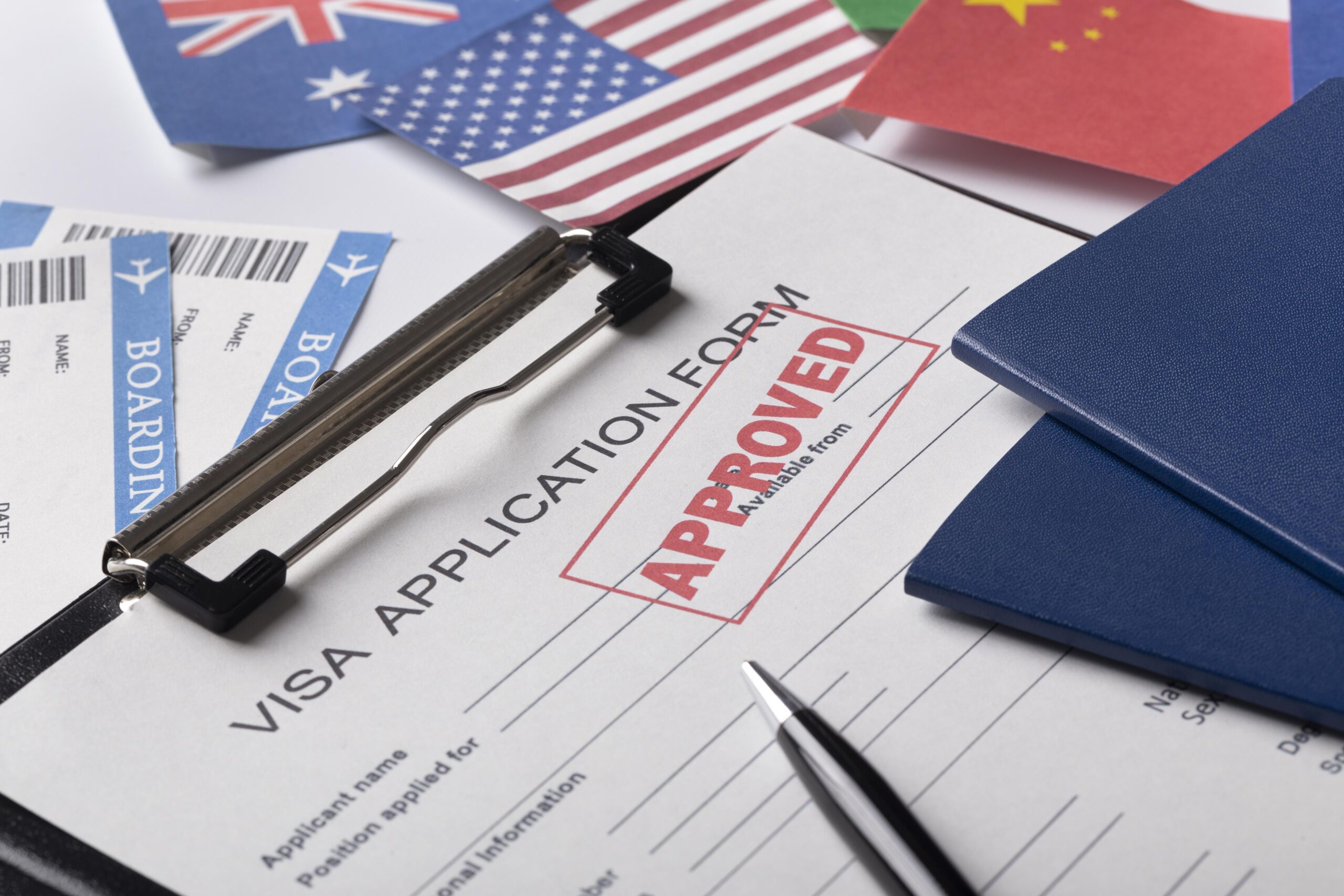
What to Get Before Applying for a Visa: When planning an international trip, securing a visa is a crucial step, whether your journey is for tourism, education, work, business, or family visits. The way you approach your visa application can significantly influence whether your travels commence smoothly or lead to unforeseen complications.

Interestingly, most visa refusals are not primarily due to criminal records or security issues. Rather, they often stem from applicants submitting incomplete documents, providing inconsistent information, or failing to meet the destination country’s immigration requirements.

The positive aspect is that many of these pitfalls are preventable.

By understanding what preparations are necessary before submitting a visa application, applicants can greatly enhance their chances of success. Being proactive by gathering all required documents, organizing financial records, and comprehending the visa process can lead to a more robust and persuasive application.

This guide aims to provide you with detailed information on what to prepare before applying for a visa, the significance of each document, and practical advice to elevate your chances of approval, regardless of the country you intend to visit.

Table of Contents

  • Why Preparation Matters Before Applying for a Visa
  • What to Get Before Applying for a Visa
  • Valid Passport Requirements
  • Visa Application Form
  • Passport Photographs
  • Proof of Financial Support
  • Travel Itinerary
  • Flight Reservation vs Flight Ticket
  • Accommodation Documents
  • Travel Insurance
  • Employment or Business Documents
  • Invitation Letter (If required)
  • Educational Documents
  • Supporting Civil Documents
  • Visa Fee Payment
  • Country-Specific Requirements
  • Common Mistakes to Avoid
  • Frequently Asked Questions
  • Final Thoughts

Why Preparation Matters.

Imagine attending a job interview without your résumé or arriving at an examination hall without your identification card. That is exactly how immigration officers view incomplete visa applications.

Every visa officer has one responsibility: determine whether you genuinely qualify for entry into their country.

Before approving a visa, they usually want answers to questions like:

  • Are your travel intentions genuine?
  • Can you afford your trip?
  • Will you obey the visa conditions?
  • Are your documents authentic?
  • Do you have strong reasons to return home?

Your documents should answer these questions without requiring additional explanations.

The better organized your application is, the easier it becomes for the visa officer to make a positive decision.

What to Get.

If you’re wondering what to get before applying for a visa, here’s a quick overview.

Requirement Why It’s Important Required for Most Countries
Valid Passport Confirms your identity
Completed Visa Form Official application
Passport Photographs Identification
Financial Evidence Shows ability to fund trip
Flight Reservation Demonstrates travel plan Usually
Hotel Booking Confirms Accommodation Usually
Travel Insurance Covers Emergencies Some countries require it
Employment or Business Proof Demonstrates ties to home country Usually
Invitation Letter Required for some visa categories Sometimes
Supporting Civil Documents Identity Verification Depending on visa type
ALSO READ  Smart travel planning

This checklist forms the foundation of a successful visa application regardless of whether you’re applying for a Schengen Visa, UK Visa, Canadian Visa, Australian Visa, or U.S. Visa.

A Valid Passport.

Your passport is the single most important document in your visa application.

Without a valid passport, there is no application.

Before applying, check the following:

  • Passport validity
  • Number of blank pages
  • Physical condition
  • Personal information accuracy

Many countries require your passport to remain valid for at least six months beyond your intended stay. Some destinations may have different requirements, so always verify the latest rules on the official immigration website of your destination country before submitting your application.

Your passport should have:

  • No water damage
  • No torn pages
  • Clear biometric page
  • At least two blank visa pages
  • Matching signature

If your passport expires soon, renew it before starting your visa application.

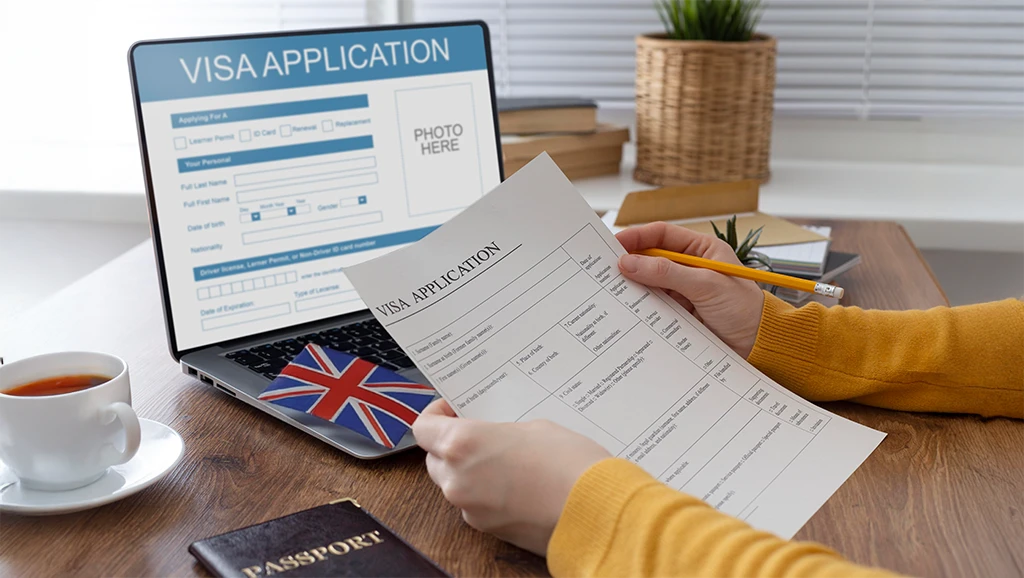
Complete the Visa Application Form Carefully

Many applicants underestimate the importance of the application form.

Ironically, one small mistake here can lead to delays—or even refusal.

Take your time while filling in the form.

Ensure every answer matches your supporting documents exactly.

Pay special attention to:

  • Full legal names
  • Passport number
  • Date of birth
  • Travel dates
  • Employment history
  • Previous travel history
  • Residential address

Never guess information.

If you’re unsure about a question, consult the official visa instructions rather than making assumptions.

Passport Photographs

Visa photographs may seem simple, but they’re often rejected because they don’t meet the required specifications.

Different countries have different photo requirements regarding:

  • Background color
  • Size
  • Facial expression
  • Head positioning
  • Clothing
  • Lighting

Common requirements include:

  • White background
  • Neutral facial expression
  • No sunglasses
  • Recent photograph
  • High-quality print

Avoid editing your photos with beauty filters or excessive retouching, as this may cause them to be rejected.

Proof of Financial Support

One of the first things visa officers examine is whether you can financially support yourself during your trip.

Financial evidence helps demonstrate that you won’t become dependent on public funds while abroad.

Common financial documents include:

  • Bank statements
  • Salary slips
  • Tax returns
  • Employment letter
  • Pension statements
  • Business registration documents
  • Investment statements
  • Sponsorship letter (if someone else is paying)

Tips for stronger financial evidence

  • Maintain a stable account balance over several months.
  • Avoid large unexplained deposits shortly before applying.
  • Ensure your name appears clearly on all financial documents.
  • If sponsored, include evidence of the sponsor’s financial capacity.

The exact amount required varies depending on your destination and the length of your stay.

Travel Itinerary

A travel itinerary tells immigration officials what you intend to do after arriving.

It doesn’t have to be overly detailed, but it should be realistic.

Include information such as:

  • Arrival date
  • Departure date
  • Cities you’ll visit
  • Tourist attractions
  • Business meetings
  • Conferences
  • Family visits
  • Return plans

A well-prepared itinerary demonstrates that your trip has a clear purpose and is carefully planned.

Flight Reservation vs. Flight Ticket

Many first-time travelers believe they must purchase a non-refundable airline ticket before applying for a visa.

In reality, many embassies only request a flight reservation or booking itinerary, not a fully paid ticket. Buying an expensive ticket before your visa is approved can expose you to unnecessary financial risk if your application is refused.

Always read the specific instructions issued by the embassy or visa center handling your application to determine whether a reservation is sufficient or a confirmed ticket is required.


ALSO READ  Visa immigration

Accommodation Documents

One of the easiest ways to demonstrate that your trip is genuine is by showing where you intend to stay. Immigration officers want to know that you have made practical arrangements for your visit and won’t arrive without a place to live.

Depending on your destination and visa type, acceptable accommodation documents may include:

  • Hotel reservation confirmation
  • Apartment booking confirmation
  • Airbnb reservation
  • University accommodation letter
  • Employer-provided accommodation
  • Invitation letter from a host
  • Proof of residence of your host (if staying with family or friends)

If you’re staying with someone you know, some embassies may also request:

  • A copy of the host’s passport or residence permit
  • Proof of address
  • Utility bills
  • A signed invitation letter
  • Evidence of the relationship between you and the host

Always ensure the accommodation details match your travel itinerary and intended dates of stay.

Travel Insurance

Travel insurance is more than just an extra document—it can be a mandatory requirement, especially for Schengen visa applications.

A comprehensive travel insurance policy protects you against unexpected expenses such as:

  • Medical emergencies
  • Hospitalization
  • Emergency evacuation
  • Lost baggage
  • Flight cancellations
  • Personal liability
  • Trip interruption

When purchasing travel insurance, check that it covers:

  • The entire duration of your trip
  • The countries you’ll visit
  • Emergency medical treatment
  • COVID-19 coverage (where required)

Avoid buying the cheapest policy without reviewing what it includes. A policy that doesn’t meet embassy requirements may delay your application.

Employment or Business Documents

Visa officers usually want reassurance that you have strong reasons to return home after your trip.

If you’re employed, prepare documents such as:

  • Employment letter
  • Leave approval letter
  • Recent payslips
  • Employment contract (if requested)
  • Staff identification card (where applicable)

Self-employed applicants should provide:

  • Business registration certificate
  • Business bank statements
  • Tax clearance certificate
  • Business invoices
  • Company profile (optional but helpful)

Freelancers may strengthen their application by including:

  • Client contracts
  • Recent invoices
  • Proof of ongoing projects
  • Portfolio or professional website

The goal is to demonstrate financial stability and long-term commitments in your home country.

Invitation Letter (When required)

Some visa categories require an invitation letter from the individual or organization hosting you.

Examples include:

  • Family visits
  • Business meetings
  • Conferences
  • Religious events
  • Academic programs
  • Medical treatment

A strong invitation letter usually contains:

  • Host’s full name
  • Address
  • Contact details
  • Relationship with the applicant
  • Purpose of invitation
  • Duration of stay
  • Signature

Some countries also require supporting documents from the host, including proof of legal residence and financial capability.

Educational Documents

If you’re applying for a student visa, educational records are essential.

These may include:

  • Admission letter
  • Academic transcripts
  • Degree certificates
  • Language proficiency results (IELTS, TOEFL, etc.)
  • Tuition payment receipt
  • Scholarship letter (if applicable)

Even for tourist or work visas, educational certificates may occasionally be requested depending on your application.

Civil and Identity Documents

Depending on your specific situation, immigration authorities might request additional civil documents to confirm your identity or establish family relationships. Some common examples include:

– Birth certificate
– Marriage certificate
– Divorce certificate
– Change of name documents
– National identity card
– Driver’s license (may be requested occasionally)

Make sure these documents are originals or certified copies when needed. If the documents are not in the official language accepted by the embassy, you may also need to provide certified translations.

Visa Fee Payment Receipt

Nearly every visa application requires payment of a processing fee.

Keep copies of:

  • Payment receipt
  • Online confirmation
  • Appointment confirmation
  • Transaction reference

Remember that visa fees are generally non-refundable, even if your application is refused.

ALSO READ  Smart travel planning

Country Specific Requirements

While many visa requirements are similar across the globe, each country has its own specific rules. For example:

– Some countries require biometric enrollment.
– Others may ask for police clearance certificates.
– Certain work visas necessitate medical examinations.
– Student visas might require proof of tuition payment.
– Family visas can demand DNA evidence or proof of the relationship.

Always review the latest requirements from the official immigration or embassy website of your destination before submitting your application.

Common Mistakes That Lead to Visa Refusal

Numerous visa refusals stem from preventable errors rather than genuine ineligibility. To mitigate these common pitfalls, applicants are advised to:

– Submit complete documentation.
– Provide consistent information throughout the application.
– Utilize valid, non-expired passports.
– Demonstrate sufficient financial resources.
– Prepare realistic travel itineraries.
– Avoid submitting fabricated or altered documents.
– Attend scheduled interviews punctually.
– Adhere to country-specific requirements.
– Submit applications in a timely manner relative to the intended travel date.

Exhibiting thoroughness and transparency significantly enhances the likelihood of visa approval.

Expert Recommendations to Enhance Visa Approval Likelihood

Prior to submitting an application, applicants should consider the following practical recommendations:

– Meticulously verify the accuracy of every document.
– Ensure consistency of dates across all submitted materials.
– Organize documentation in the order specified by the relevant embassy.
– Maintain both printed and digital copies of all documents.
– Prepare concise explanations outlining the purpose of travel.
– Refrain from making false declarations or submitting counterfeit materials.
– Apply well ahead of the planned travel date.
– Attend biometric appointments or interviews punctually.
– Dress in a professional manner if an interview is required.
– Remain composed, honest, and confident throughout the interview process.

Frequently Asked Questions

What is the most important document?

Your valid passport is the foundation of every visa application. Without it, your application cannot proceed.

Do I need to buy a flight ticket before applying?

Not always. Many embassies accept a flight reservation rather than a fully paid ticket. Always follow the specific instructions provided by the embassy handling your application.

How much money should I have in my bank account?

There is no universal amount. It depends on your destination, trip duration, accommodation costs, and purpose of travel. Your financial documents should demonstrate that you can comfortably cover your expenses.

Can I apply without travel insurance?

Some countries require travel insurance as part of the application, while others do not. If it is mandatory, your application may be rejected without valid coverage.

How early should I apply for a visa?

Applying several weeks or even a few months before your intended travel date is advisable, especially during peak travel seasons.

Helpful Resource Description

Complete U.S. Visa Information
Learn about U.S. visa categories, eligibility requirements, application procedures, fees, and interview guidelines from the official U.S. Department of State.

Ultimate Schengen Visa Policy Guide
Explore official European Union guidance on Schengen visa rules, supporting documents, visa validity, and application procedures.

Final Thoughts: Prepare Thoroughly Before You Apply

Getting ready before applying for a visa can save you time, money, and a lot of unnecessary stress. A well-prepared application not only helps immigration officers evaluate your eligibility more smoothly but also shows that you take your travel plans seriously and can be trusted.

Before you send in your application, take the time to go over every document. Double-check that all your information is accurate and that you meet the specific requirements for the country you intend to visit. Don’t overlook the small details; things like matching travel dates, valid ID, and complete financial records can have a big impact.

Keep in mind that every visa application tells a story. Your documents should clearly convey who you are, your travel intentions, how you plan to support yourself, and why you’ll adhere to the visa conditions. The more organized and transparent your application is, the better your chances of receiving a positive response.

With the right preparation and attention to detail, you’ll be well on your way to making your travel dreams a reality.

Visa immigration

Welcome to Travel Connect Hub — your trusted companion for navigating the world of travel, work abroad, and global opportunity. At Travel Connect Hub, we believe that exploring the world shouldn’t feel like navigating a maze. Founded with a simple mission — to connect ambitious travelers, professionals, and students with the information and resources they need — we have grown into a go-to platform for visa & immigration insights, work opportunities abroad, travel guides, scholarships, and much more. Our Mission To empower explorers and professionals by providing accurate, up-to-date guidance on visas, immigration policies, job markets, and educational opportunities abroad. To bridge the gap between aspirations and action — helping you plan and realize your journey, whether it’s a semester abroad, a new job overseas, or discovering the best hidden gems in a new city. To inspire through storytelling, curated travel content, and community — connecting you not just to places but to perspectives. What We Offer Visa & Immigration Guidance — step-by-step tips, country requirements, and updates to help your application process. Work Abroad & Job Opportunities — curated listings and advice to help you find meaningful roles in foreign lands. Scholarships & Internships — financial support and hands-on experience are often key to global mobility — we help you find them. Travel Guides & Tips — from budget itineraries to off-the-beaten-path recommendations, we aim to help you travel smarter. Community & Support — because going abroad is easier when you have a network. Ask questions, learn from others, and share your experience. Our Values Accuracy & Integrity Every article, guide, and listing is backed by research, official sources, and real-world experiences. We strive to deliver information you can trust. Accessibility & Clarity We break down complex rules, policies, and processes into easy steps. No jargon, no fluff — just clear guidance. Empathy & Respect We know that moving your life or taking a big trip takes courage. We’re here to listen, support, and walk with you through the challenges and excitement. Continuous Growth Immigration, visa rules, and job markets evolve constantly. So do we — iterating, updating, and improving our content and tools so that you always stay ahead. Our Journey Travel Connect Hub started as a passion project to collate accurate visa and immigration info for Africans seeking opportunities abroad. Over time, as we grew, we expanded into travel guides, work listings, and scholarship support. Today, we serve a global audience, especially people from Africa, helping them connect with destinations, opportunities, and communities beyond borders. Join Us Whether you’re planning your first trip outside your country, applying for an overseas job, or looking for a scholarship or internship abroad — we’re here to help. Explore our resources, join our community, and let us be your guide as you journey toward new horizons.

Related Posts

Visa immigration

Visa immigration

fundamentals Visa immigration may seem daunting at first glance, but if you break it down to the basics, it becomes much clearer. At its essence, it’s simply the process of…

Read more
Smart travel planning

Smart travel planning

Table of Contents Travel Tips for Planning a Trip That Feels Easy, Not Exhausting Travel Tips for Choosing the Right Destination Travel Tips for Documents, Visas, and Entry Rules Travel…

Read more

Leave a Reply

Your email address will not be published. Required fields are marked *